 Shoupapp
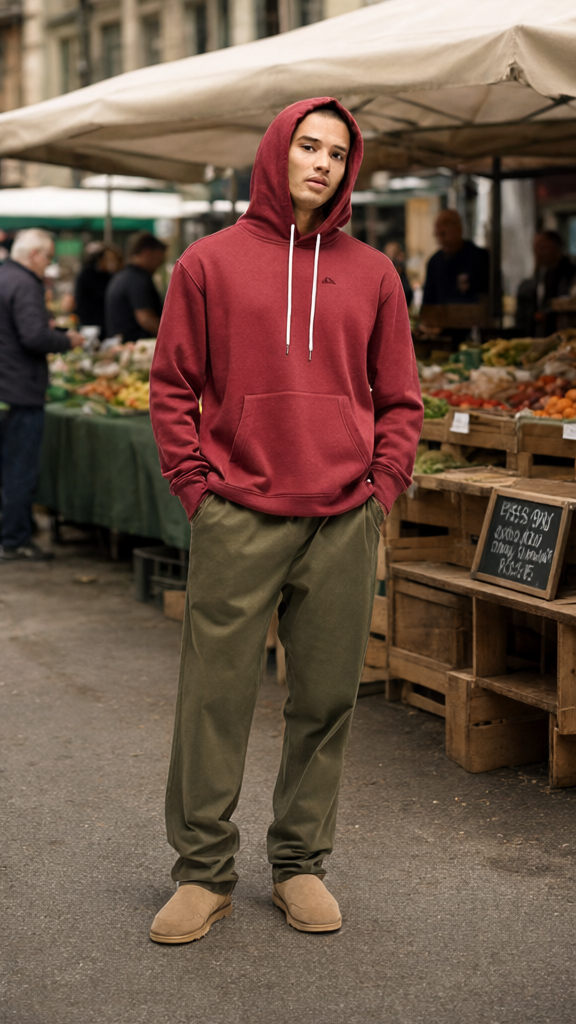
A product clip shows the product. A storytelling product video gives the viewer a reason to keep watching until the product is the answer. It does not need a plot. Ten seconds are enough for three beats: a place, a movement and a reveal. We took one catalog photo of a maroon hoodie, placed the model at a weekend market and made a ten second film. Then we checked whether the story kept the hoodie true.

Why a story keeps people watching
People keep watching when they want to know what happens next. A short product story uses that in three ways:
- The place says who it is for. A market on a gray morning says weekend, city and casual before any caption does.
- The movement creates a question. When the model walks, the viewer follows to see where he is going.
- The reveal answers it with the product. The film ends on the hoodie, so the last thing people see is what you sell.
The three beats in this film
The product video tool made a vertical film with one hard cut, at 2.2 seconds, and a dissolve a few seconds later. We stepped through it frame by frame.
| Time | Beat | What happens |
|---|---|---|
| 0 to 2.2 s | Place | He stands by a produce stall, hands in the hoodie pocket, the pose of the catalog photo |
| 2.2 to about 7 s | Movement | He walks past the crates, then a dissolve takes him walking toward the camera through the crowd |
| About 7 to 10 s | Reveal | The camera moves in to the chest and ends on the stitched mark |

As a structure it works. The opening matches the product photo, so the shopper recognizes the item at once, the walk shows how the hoodie and pants move, and the ending holds on the product.
Choosing a setting that tells the story
The setting does most of the storytelling, so choose it for the product, not for the picture:
- Match the use. A hoodie belongs to errands, weekends and walks. A market says that without words.
- Give the color room. Maroon stands out against canvas awnings, wooden crates and green produce, so the product stays the brightest thing in frame.
- Keep the crowd soft. People in the background make the place feel alive, but they should stay out of focus and smaller than the model.
Where the story bent the product
A story asks the model to invent new views: the back of a walk, a face from the front, a chest up close. That is where the product changed. Compare the drawcords first.
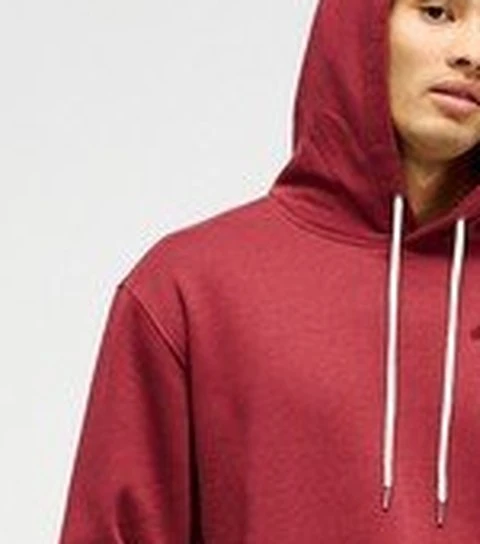

- The drawcords changed color. White in the photo, maroon in the walk toward the camera.
- The chest mark grew. The small mark on the real hoodie became a large stitched triangle in the reveal, the shot people look at hardest.
- The dissolve shows a double image. For a moment two frames overlap and the model appears twice, half transparent.
- The pants and boots held. The olive pants and suede boots match the catalog photo in every shot.
The rule for a story video: the reveal must be true, because it is the moment the viewer studies. End on a detail that the source photo shows clearly, such as the hood or the fabric, or start the close-up from a detail photo, as we showed in close-up product video. If the film is right until the last seconds, trim it in the video editor before the reveal.
Story ideas by product type
The same three beats fit most catalogs. Pick a place where the product is used, a movement that shows it working and a reveal on a detail the photo already shows.
| Product | Place | Movement | Reveal |
|---|---|---|---|
| Hoodies and knitwear | Market, park, street corner | A walk, hands into pockets | Hood, fabric, cuffs |
| Outerwear | Station, city street | Zipping up, stepping outside | Collar and closure |
| Footwear | Pavement, trail, steps | A few steps on the surface | The side of the shoe |
| Bags | Doorway, café table | Picking it up, putting it on | Strap and clasp |
| Drinkware | Car, desk, trailhead | Lifting it, setting it down | Lid and handle |
Before you post a story video
- Pause on the opening frame. It should be recognizable as your product photo.
- Pause during the walk and check colors of small parts: cords, zips, buttons, soles.
- Watch the transitions for double images.
- Check the reveal against the real product, at full size.
- Read every sign in the background.
- Watch once without sound. The story should still be clear.
Formats and safe zones per platform are in product videos for TikTok and Reels, and choosing a length in product video with music.
Make a story video from your own photo
Start from one clean catalog photo. Build the place with AI product photos, turn it into a film with the product video tool and keep the background removed version for your listings. For garments shown on another model, use virtual try-on. Originals are never overwritten. Costs are on the pricing page and every tool is on the products page. Pick a product with a simple story: see it on your catalog.
Storytelling product video questions
What is a storytelling product video?
A short video in which the product is shown in a place, in use and finally up close, so the viewer has a reason to watch until the end.
How long should a product story be?
Ten seconds are enough for three beats: place, movement and reveal.
What should the last shot show?
A detail the source photo shows clearly. The reveal is the shot people study most, so it must match the real product.